
Why Vacant Houses Attract Break-Ins and Vandalism and How Homeowners Can Exit Safely
Vacant houses rarely stay unnoticed. Empty driveways, dark windows, and untouched yards send clear signals that no one lives there. Those signals attract attention fast, and not the kind homeowners want. Break-ins, vandalism, theft, and unauthorized entry often follow once a property sits empty long enough. Many owners underestimate how quickly problems start or how expensive they become once they do.
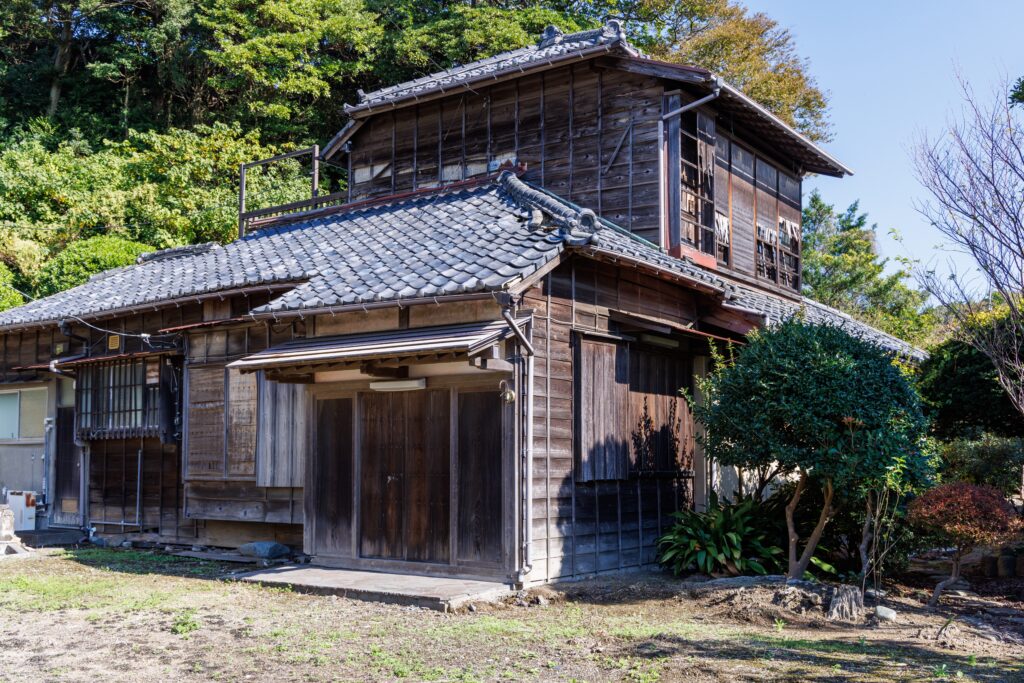
Vacancy creates risk because it removes accountability. No daily activity means no natural deterrent. Neighbors may assume someone else owns the property or think the activity looks normal because no one appears to live there anyway. That combination creates an opportunity for people who look for easy targets rather than confrontation.
For homeowners in Boise and surrounding areas, vacancy issues appear more often than expected. Job relocations, inherited properties, extended hospital stays, rental turnover, or delayed sales leave homes empty longer than planned. Each additional week increases exposure to damage, liability, and financial drain. Understanding why vacant homes attract trouble helps owners take smarter steps toward a safer exit.
Why Vacant Properties Draw Attention So Quickly
Vacant houses broadcast their status through small details. Mail piles up. Trash bins stay empty. Lights never change. Yards grow unevenly. These signs signal that no one watches the property daily. That absence lowers the risk for people who want to enter without permission.
Many break-ins at vacant homes start small. Someone checks a door handle. Someone peeks through a window. Once they confirm no one responds, confidence grows. That first entry often leads to repeated visits, theft of appliances, copper wiring, fixtures, or even structural damage. Vandalism follows once a property feels abandoned rather than owned.
Boise neighborhoods vary, but vacancy creates the same pattern everywhere. The longer a house stays empty, the more visible it becomes. Visibility attracts curiosity. Curiosity attracts risk.
How Vandalism Escalates After The First Incident
Vandalism rarely stays limited to a single act. One broken window invites another. Graffiti signals a lack of enforcement. Dumping trash becomes common once people assume no one checks the property.
Each incident lowers the perceived value of the home. Neighbors grow concerned. Property conditions worsen faster than most owners expect. Repairs become more expensive because damage compounds rather than staying isolated.
Insurance coverage often changes once a home sits vacant for too long. Many policies limit coverage after a set vacancy period. Owners sometimes learn this only after filing a claim. That gap leaves them responsible for repairs they never planned to cover out of pocket.
Break-Ins Do Not Always Involve Theft
Not every break-in targets valuables. Some vacant homes attract people seeking shelter. Others draw individuals who want privacy for activities they do not want seen. These situations introduce serious liability concerns.
Unauthorized occupants may cause damage, alter utilities, or create unsafe conditions. Fires start from improper heating or electrical misuse. Water damage happens when plumbing leaks go unnoticed. These issues place the owner at risk even without direct involvement.
Once someone occupies a vacant home, removing them can take time and legal steps. That process adds stress, delays, and expense. Many owners find themselves managing a problem they never anticipated simply because the house sat empty for too long.
Vacancy Increases Holding Costs Every Month
Empty houses still cost money. Property taxes continue. Insurance premiums remain due. Utilities may stay active to prevent damage. Lawn care, snow removal, and basic maintenance add up quickly.
Unexpected repairs push costs even higher. Broken windows, damaged doors, and vandalized interiors require immediate attention to prevent further loss. Each repair delays a sale and increases the financial burden.
Owners often keep vacant homes longer than planned while waiting for the right buyer or market conditions. During that time, expenses quietly accumulate. Fast exits reduce exposure by stopping those monthly drains sooner rather than later.
Boise-Specific Factors That Increase Vacancy Risk
Boise continues to grow, but growth also brings movement. People relocate in and out of the area for work, family, and lifestyle changes. That movement increases the number of temporarily vacant homes.
Seasonal weather adds another layer of risk. Cold temperatures strain plumbing systems. Snow and ice expose roof issues. Vacant homes suffer more damage because no one notices small problems before they escalate.
Neighborhood visibility also matters. Homes near busy streets or commercial areas often draw attention faster when empty. Properties in quieter areas may go unnoticed longer, but still face risk once patterns become clear.
Why Traditional Selling Timelines Create Exposure
Traditional listings often take longer than expected. Showings spread across weeks or months. Offers fall through due to financing issues or inspection disagreements. Each delay extends the vacancy.
Owners sometimes hesitate to adjust strategy after a listing fails. They relist, wait, or attempt minor repairs while the house remains empty. During that time, risk continues to rise.
A faster exit strategy reduces the window of exposure. Shorter timelines limit opportunities for break-ins, vandalism, and unauthorized entry. Speed does not mean rushing blindly. It means choosing a process that prioritizes certainty and safety.
How Fast Exits Reduce Safety And Liability Risks
Fast sales shorten vacancy periods. Fewer days empty means fewer chances for problems. That simple math drives many owners toward quicker solutions once they understand the risks.
Selling quickly transfers responsibility sooner. Utilities shut off under new ownership. Insurance obligations end. Maintenance responsibilities shift. Owners regain peace of mind instead of managing a vacant property from afar.
This approach helps owners avoid reactive decisions made after damage occurs. Prevention often costs less than repair. A fast exit prevents problems rather than responding to them.
Emotional Strain Plays A Role As Well
Vacant properties cause ongoing worry. Owners wonder whether someone broke in, whether pipes froze, or whether a neighbor noticed something wrong. That constant concern weighs on people, especially those managing the situation from another city or state.
Uncertainty creates mental clutter. Owners delay other decisions while worrying about the house. A completed sale clears that burden and allows focus to shift forward rather than backward.
Many sellers feel relieved once the property changes hands, even if they initially hesitated. That emotional clarity matters just as much as the financial outcome.
Planning A Safe Exit Without Delay
A safe exit starts with recognizing vacancy as a liability rather than a neutral state. Once that mindset shifts, decisions become clearer. Owners evaluate options based on speed, certainty, and simplicity rather than hope.
Fast solutions work best when owners act before problems appear. Waiting until after damage occurs limits choices and increases costs. Early action preserves value and reduces stress.
The Importance Of Predictable Timelines
Predictability protects homeowners. Knowing when the sale will close allows planning for utilities, insurance, and logistics. Uncertain timelines extend vacancy and risk.
Fast exits offer defined timelines that remove guesswork. Owners plan moves, financial steps, and next chapters with confidence rather than waiting indefinitely.
Why Many Owners Choose To Exit Rather Than Manage Vacancy
Managing a vacant property demands time, attention, and resources. Not every owner wants that responsibility. Many prefer to convert the asset into liquidity and move on.
Exiting does not signal failure. It signals prioritization. Owners choose safety, certainty, and peace of mind over prolonged risk. That decision aligns with how people manage assets in other areas of life.
A Smarter Way To Protect Value
Protecting a property means more than locking doors. It means reducing exposure to conditions that invite loss. Vacancy increases exposure. Speed reduces it.
Owners who understand this dynamic make proactive choices. They exit before problems multiply. That approach preserves value rather than gambling on timing.
FAQs
Why do vacant houses attract more break-ins?
Vacant homes show visible signs of inactivity, which lowers the risk for intruders and invites repeated entry once discovered.
How long can a house sit empty before insurance issues arise?
Many insurance policies change coverage after a set vacancy period, which varies by provider and policy terms.
Does vandalism usually stop after one incident?
Vandalism often escalates because initial damage signals a lack of oversight and enforcement.
Can vacant homes create legal liability for owners?
Yes. Unauthorized entry, injuries, fires, or damage can create liability even when the owner does not occupy the property.
What is the safest way to deal with a vacant property?
Reducing vacancy time through a planned exit often limits risk more effectively than long-term management.
Sell My House Fast Boise helps homeowners exit vacant properties safely and quickly. Call 208-295-9919 to discuss your options today.